
Handing over a newly constructed or renovated property an important stage of any building project. Whether it is a residential house, commercial office, retail space, or large development, the property must be clean, safe, and ready for its new occupants. Even when construction work is complete, dust, paint marks, adhesive residue, packaging materials, and other debris can remain throughout the building. These problems can affect the property's appearance and create an unprofessional impression during the final inspection.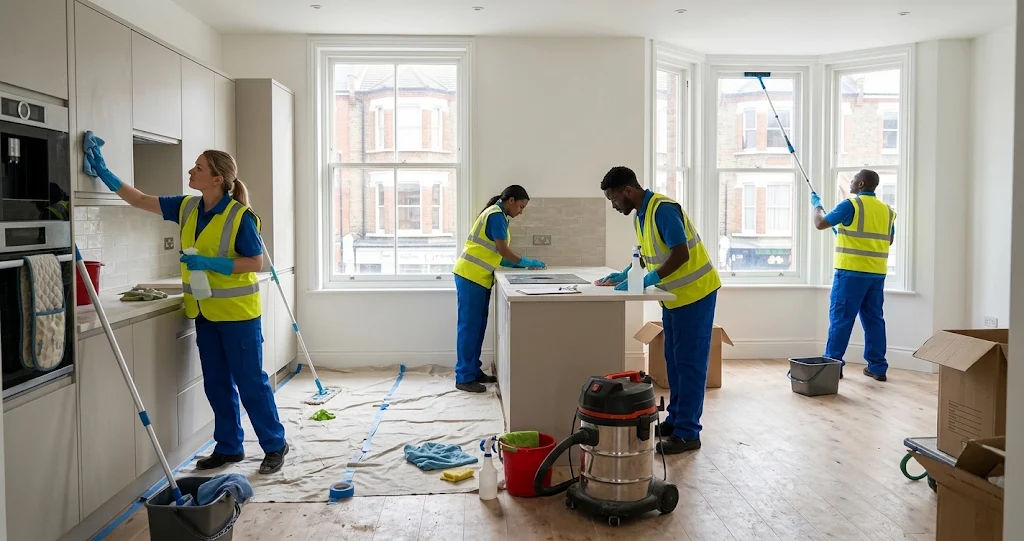
This is where professional cleaning becomes essential. A properly planned cleaning process ensures that every important area receives attention before the property is presented to its owner, tenant, or management team. Construction cleaning services help transform a recently completed building into a presentable and welcoming space by removing construction-related dirt and preparing surfaces for inspection.
However, preparing a property for handover involves more than simply sweeping floors and wiping surfaces. It requires a systematic approach, suitable cleaning equipment, trained staff, and attention to detail. Professional cleaners understand the different stages of post-construction cleaning and can identify areas that are frequently overlooked during ordinary cleaning.
So, can professional cleaning teams prepare a property for handover? Yes. With the right planning and cleaning procedures, they can significantly improve the property's condition and help contractors complete the handover process more smoothly.
The Importance of Cleaning Before Property Handover
Property handover represents the point when a completed building is presented to its owner, client, tenant, or managing organization. Before this happens, the property should meet the agreed standards of cleanliness and presentation.
Construction work often creates considerable mess. Cutting materials, drilling, painting, sanding, installing fixtures, and moving equipment can leave dirt across different surfaces. Even when workers remove large waste materials, fine dust can remain on floors, windowsills, cupboards, and ventilation covers.
A professional cleaning process addresses these problems before the final inspection.
Creating a Positive First Impression
First impressions matter when handing over a property. Owners and clients naturally expect a completed building to look clean and professionally maintained.
Dirty windows, dusty countertops, stained floors, and leftover construction materials can make an otherwise excellent project appear unfinished.
A thorough cleaning process helps present the completed work in its best condition. It allows clients to focus on the building's design, finishing, and functionality rather than noticing unnecessary dirt.
Supporting a Professional Handover
A clean property makes the handover process more organized. Clients can inspect rooms, check installed fixtures, and review finishing details without construction dust interfering with the process.
Professional cleaning also demonstrates that the contractor has considered the property's presentation and final condition.
Although cleaning does not replace technical inspections or building approval, it supports a more professional completion process.
What Do Construction Cleaning Services Include Before Handover?
The exact cleaning requirements depend on the property's size, condition, construction activities, and handover agreement. However, professional cleaning generally covers several important areas.
Removal of Construction Dust
Construction dust is one of the most common problems found in newly completed buildings. It can settle on almost every surface, including walls, ceilings, floors, furniture, and window frames.
Fine dust can remain even after visible debris has been removed. Ordinary sweeping may move these particles into the air rather than remove them completely.
Professional cleaners use suitable vacuum cleaners, microfiber cloths, and controlled dusting methods to collect fine particles.
They normally work from higher surfaces toward lower areas. This prevents dust from falling onto surfaces that have already been cleaned.
Special attention is given to:
-
Window frames and windowsills.
-
Shelves and cupboards.
-
Light fittings and switches.
-
Door frames and skirting boards.
-
Countertops and work surfaces.
-
Corners and difficult-to-reach spaces.
Removing dust improves the appearance of the property and reduces the amount of loose construction residue left behind.
Cleaning Floors and Different Floor Materials
Floors often collect significant amounts of construction dirt. Foot traffic, packaging, paint drops, adhesive residue, and other materials can affect their appearance.
Different flooring materials require different cleaning techniques.
For example, ceramic and porcelain tiles can generally tolerate suitable damp-cleaning methods, while natural stone may require products specifically designed for its surface.
Wooden floors need controlled moisture to prevent swelling or damage. Vinyl and laminate flooring also require appropriate cleaning solutions.
Professional cleaners assess the floor material before selecting equipment and products.
Their work may include vacuuming, mopping, removing suitable surface marks, and polishing where appropriate.
The objective is to leave floors clean and presentable without damaging their finish.
Cleaning Windows and Glass Surfaces
Windows are particularly important during property handover because they affect natural lighting and the overall appearance of a building.
Construction activities can leave fingerprints, dust, paint splashes, silicone marks, and adhesive residue on glass surfaces.
Professional cleaning teams use suitable glass-cleaning products, microfiber materials, and appropriate tools to improve visibility and remove ordinary surface contamination.
Window frames, tracks, and surrounding surfaces should also receive attention.
However, stubborn construction residue must be handled carefully. Incorrect scraping tools or abrasive chemicals can permanently scratch glass or damage protective coatings.
Preparing Kitchens and Bathrooms for Handover
Kitchens and bathrooms require special attention because they contain multiple fixtures, fittings, and surfaces that must be clean before occupation.
These spaces are also frequently examined during final property inspections.
Kitchen Cleaning Requirements
A newly installed kitchen may look complete but still contain dust and residue from installation work.
Cabinets, drawers, countertops, sinks, taps, and appliances can collect dirt during construction.
carpet cleaners in Birmingham cleaning teams may:
-
Clean the exterior and accessible interior surfaces of cupboards.
-
Remove dust from countertops.
-
Clean sinks and taps.
-
Wipe cabinet handles and fittings.
-
Remove suitable installation marks.
-
Clean appliance exteriors.
-
Mop and sanitize appropriate floor surfaces.
If appliances are included in the handover, their accessible surfaces should be cleaned according to manufacturer recommendations.
The cleaning team should also check corners and spaces behind accessible appliances where dust may accumulate.
Bathroom Cleaning Requirements
Bathrooms need detailed cleaning because they contain several different materials and fixtures.
Tiles, mirrors, shower screens, toilets, basins, taps, and storage units can all collect construction residue.
Professional cleaners remove ordinary dust, fingerprints, and suitable surface marks using products appropriate for each material.
They should pay attention to grout lines, corners, taps, shower fittings, and other areas that are easily overlooked.
Where appropriate, suitable disinfectants can be used on frequently touched surfaces.
However, cleaning should not be confused with repairing installation defects. Damaged grout, leaking taps, defective plumbing, and poor waterproofing require attention from qualified tradespeople.
Can Professional Cleaning Help Contractors Pass Final Inspections?
Professional cleaning can make final inspections easier by improving visibility and allowing clients to examine completed work more comfortably.
However, it is important to understand that cleaning alone cannot guarantee inspection approval.
Making Defects Easier to Identify
Construction dust and leftover materials can hide small details.
For example, dirt on a countertop may make it difficult to identify whether a surface has scratches. Dust on glass may prevent inspectors from checking the quality of the installation.
Once these surfaces are cleaned, defects and finishing issues become easier to identify.
This helps contractors address outstanding concerns before the handover meeting.
Supporting Snagging and Quality Checks
Snagging is the process of identifying incomplete work, defects, or finishing problems before a building is accepted.
A clean property provides a better environment for checking:
-
Paint finishes.
-
Floor installation.
-
Window fittings.
-
Door alignment.
-
Cabinet installation.
-
Visible surface damage.
-
Bathroom and kitchen finishing.
Some projects arrange cleaning before snagging, while others schedule a detailed clean after repairs have been completed.
The most suitable sequence depends on the project's requirements.
The Different Stages of Construction Cleaning Before Handover
Preparing a property for handover usually involves more than one cleaning activity. Larger projects may require several stages to achieve the desired result.
Initial Construction Cleaning
Initial cleaning begins when major construction activities are nearing completion.
At this stage, workers or cleaning teams remove larger debris, leftover packaging, and general construction waste.
The purpose is to make the property accessible for detailed cleaning and inspection.
Activities may include:
-
Collecting loose waste.
-
Removing packaging materials.
-
Clearing accessible floors.
-
Removing larger dust deposits.
-
Organizing cleaning areas.
Hazardous materials and regulated construction waste must be handled by appropriately qualified personnel.
Detailed Post-Construction Cleaning
The next stage focuses on removing remaining dirt and residue from surfaces.
This is where construction cleaning services become particularly valuable because professional teams can follow a structured cleaning checklist.
They work through individual rooms and pay attention to areas that are commonly missed during general cleaning.
This stage may include cleaning glass, fixtures, floors, cupboards, doors, and accessible fittings.
The aim is to improve the property's overall condition and prepare it for a final review.
Final Touch-Up Cleaning
Final touch-up cleaning usually takes place shortly before the handover appointment.
Even after detailed cleaning, dust may settle again when maintenance workers, inspectors, or contractors enter the property.
A final cleaning visit helps address fingerprints, fresh dust, shoe marks, and minor surface contamination.
This stage is particularly useful when there is a gap between the completion of construction and the official handover date.
How Cleaning Teams Protect Newly Installed Materials
Newly constructed properties often contain expensive materials and recently installed fixtures.
Using unsuitable cleaning methods can cause unnecessary damage.
Professional cleaners must understand how to work with different surfaces and finishes.
Selecting Suitable Cleaning Products
Not every cleaning product is appropriate for every material.
Strong chemicals can damage natural stone, painted surfaces, wooden finishes, metal fittings, and protective coatings.
Professional teams should select products according to manufacturer instructions and surface requirements.
Testing products in a small, inconspicuous area can help identify potential problems before wider application.
Using Appropriate Equipment
The correct equipment improves cleaning efficiency while reducing the risk of damage.
Useful equipment may include:
-
Commercial vacuum cleaners with suitable filtration.
-
Microfiber cloths.
-
Soft cleaning brushes.
-
Non-abrasive sponges.
-
Appropriate floor-cleaning machines.
-
Professional glass-cleaning equipment.
-
Suitable protective equipment.
Equipment should be selected according to the cleaning task rather than used indiscriminately.
For example, abrasive pads may damage delicate surfaces, while excessive water can affect certain flooring materials.
Preventing Cross-Contamination
Cleaning teams should use suitable cloths and equipment for different areas.
Bathrooms, kitchens, floors, and general surfaces should not automatically share the same cleaning materials.
Using separate equipment helps prevent dirt from being transferred between areas.
It also supports better hygiene standards before the property becomes occupied.
Benefits of Hiring Professional Cleaners for Property Handover
Hiring experienced cleaners can provide several practical advantages for construction companies, property developers, landlords, and building owners.
Saves Time During Project Completion
Construction projects often operate under strict deadlines.
Contractors may already be managing inspections, paperwork, maintenance work, and client communication.
Organizing professional cleaning allows the construction team to focus on other responsibilities.
An experienced cleaning crew can also complete tasks more efficiently because its members understand the correct order of work.
Improves Property Presentation
A clean building creates a better impression during client visits.
Bright windows, clean floors, spotless fixtures, and dust-free surfaces make completed spaces look more attractive.
This can be especially important for commercial developments, residential show homes, offices, and retail properties.
Reduces the Risk of Missed Cleaning Areas
When cleaning is completed without a checklist, some areas may be forgotten.
Professional teams generally follow structured procedures that cover individual rooms and surfaces.
This makes it easier to maintain consistent standards across the entire property.
Supports Better Client Satisfaction
Clients expect properties to be presented in a suitable condition when ownership or occupancy is transferred.
A clean environment helps demonstrate attention to detail and contributes to a smoother customer experience.
Although cleaning cannot resolve construction defects, it helps ensure that avoidable presentation issues do not affect the handover.
How to Choose the Right Cleaning Company for Handover Preparation
Selecting a suitable cleaning provider is important because the quality of the work directly affects the property's presentation.
Not every cleaning company has experience with post-construction requirements.
Check Previous Construction Cleaning Experience
Look for companies that regularly handle newly constructed or renovated properties.
Their experience should include working with different flooring materials, glass surfaces, kitchens, bathrooms, and construction-related residue.
Ask whether they have handled projects similar in size and complexity to yours.
Review Their Cleaning Checklist
A reliable provider should be able to explain what its cleaning service includes.
Ask whether the quotation covers internal windows, cupboards, floors, bathrooms, kitchens, doors, and other relevant areas.
It is also important to clarify whether external windows, high-level cleaning, and specialist stain removal are included.
A written checklist helps avoid misunderstandings.
Confirm Insurance and Staff Training
Cleaning teams should have appropriate insurance for the work they undertake.
Staff should understand safe chemical handling, equipment operation, and surface protection.
For larger developments, it is also important to confirm that cleaners can follow site safety rules and access procedures.
Ask About Scheduling and Flexibility
Handover dates can change because of inspections, repairs, or construction delays.
Choose a provider that can coordinate its cleaning schedule with the project manager.
A flexible approach can help prevent cleaning from being completed too early, when additional construction work may create fresh dirt.
Common Mistakes to Avoid Before Property Handover
Even when professional cleaning is arranged, poor planning can reduce the quality of the final result.
Understanding common mistakes can help contractors achieve better outcomes.
Scheduling Cleaning Before Construction Is Complete
One common mistake is arranging detailed cleaning while construction activities are still taking place.
Workers may continue drilling, sanding, painting, or installing fixtures after the cleaning team has finished.
This can create additional dust and make another cleaning visit necessary.
Detailed cleaning should ideally take place after dusty construction activities are complete.
Ignoring Hidden and Difficult-to-Reach Areas
Visible surfaces are important, but hidden areas also contribute to the overall condition of a property.
Window tracks, cupboard interiors, corners, skirting boards, and spaces around fixtures may collect significant amounts of dust.
A proper checklist helps ensure these areas are not overlooked.
Using Incorrect Cleaning Chemicals
Strong chemicals may appear effective, but they can damage newly installed surfaces.
For example, acidic cleaners may affect certain natural stones, while abrasive products can scratch polished finishes.
Cleaning products should always be selected according to the material being treated.
Forgetting the Final Inspection
Contractors should not assume that the cleaning process is complete simply because the cleaning team has finished its scheduled work.
A walkthrough helps identify remaining dust, fingerprints, missed areas, or accidental marks.
Any necessary touch-ups can then be completed before the client arrives.
How to Prepare a Practical Handover Cleaning Checklist
A cleaning checklist helps project managers organize work and maintain consistent standards.
It should cover every accessible area and reflect the specific requirements of the property.
An effective checklist can include the following sections:
General areas
-
Remove remaining loose construction debris.
-
Dust accessible ceilings and fittings.
-
Clean doors, handles, and frames.
-
Wipe switches and accessible fixtures.
-
Clean skirting boards and corners.
Floors and windows
-
Vacuum and mop suitable floor surfaces.
-
Remove appropriate surface marks.
-
Clean internal glass surfaces.
-
Wipe window frames and tracks.
-
Check for visible dust and fingerprints.
Kitchen
-
Clean countertops and sinks.
-
Wipe cabinet surfaces and handles.
-
Clean accessible cupboard interiors.
-
Remove suitable installation residue.
-
Clean appliance exteriors.
Bathrooms
-
Clean toilets, basins, and taps.
-
Wipe mirrors and shower screens.
-
Clean accessible tile surfaces.
-
Remove ordinary dust and surface residue.
-
Check floors and fittings.
Final review
-
Inspect every room.
-
Check for missed areas.
-
Remove fresh fingerprints.
-
Confirm that cleaning equipment has been removed.
-
Arrange any required touch-up cleaning.
The checklist should be reviewed by the project manager or an appointed representative before the official handover.
How Long Does Handover Cleaning Take?
The time required depends on several factors, including the property's size, construction condition, number of rooms, and level of cleaning required.
A small apartment may require considerably less time than a large residential development or commercial building.
The amount of remaining construction dust also makes a difference.
A property that has already received basic cleaning may need only detailed surface cleaning and final touch-ups. A building with substantial residue may require additional visits.
The number of cleaners and the availability of suitable equipment can also influence completion time.
For accurate scheduling, contractors should arrange an initial assessment and request a realistic cleaning estimate.
It is also sensible to leave some time between cleaning and the handover appointment. This allows the project team to complete a walkthrough and arrange any necessary corrections.
Conclusion
Preparing a property for handover requires attention to both construction quality and presentation. Even when a building has been completed according to the project specifications, leftover dust, debris, fingerprints, and installation residue can make it appear unfinished. Professional cleaning helps address these problems and creates a more suitable environment for the final inspection.
Construction cleaning services can play an important role in this process by removing construction-related dirt, cleaning floors and windows, preparing kitchens and bathrooms, and improving the overall appearance of the property. Their structured approach helps ensure that important areas receive attention before the building is presented to its new owner or occupants.
The most effective results come from scheduling cleaning at the correct stage of the project. Initial debris removal should take place before detailed cleaning, while final touch-ups should be arranged shortly before the official handover. This approach reduces the possibility of freshly cleaned areas becoming dirty again because of ongoing construction activities.
Contractors should also choose experienced cleaning professionals who understand different surface materials, use appropriate equipment, follow safety procedures, and work according to a clear checklist. A final walkthrough is equally important because it allows the project team to identify missed cleaning areas and address minor presentation issues.
It is worth remembering that cleaning does not replace building inspections, repairs, safety checks, or regulatory approvals. Instead, it complements these activities by ensuring that the property is presented in a clean and professional condition.
Ultimately, investing in proper handover cleaning benefits contractors, developers, property owners, and future occupants. It creates a welcoming first impression, supports a more organized inspection, and demonstrates attention to detail. With effective planning and professional support, a newly constructed or renovated property can be handed over looking clean, presentable, and ready for its next stage of use.