
Shipping a used car overseas is a practical option for people who want to buy a vehicle in the United Kingdom and transport it to Tanzania. Whether you are a private buyer, a car dealer, or someone returning to Tanzania, Car shipping from UK to Tanzania can help you move a vehicle across international borders when you understand the shipping process, import regulations, and associated costs.
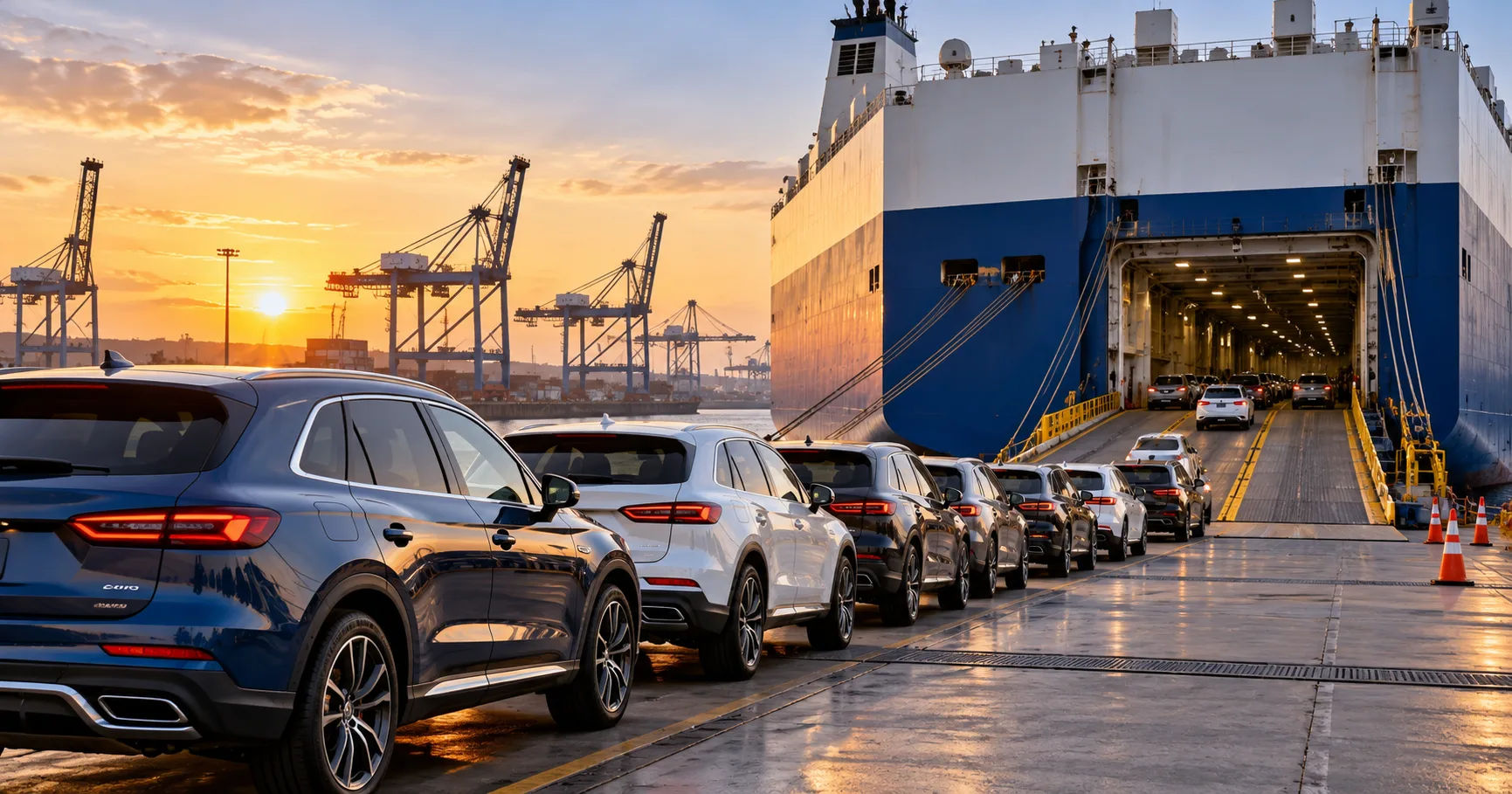
Used cars are popular among international buyers because they can offer a good balance between affordability, reliability, and features. The UK has a large second-hand vehicle market, giving buyers access to different makes, models, engine sizes, and price ranges. However, purchasing a used car is only the first step. You must also determine whether the vehicle meets Tanzanian import requirements and whether shipping it will be financially worthwhile.
The good news is that used cars can generally be shipped from the UK to Tanzania. However, acceptance by a shipping company does not automatically mean that a vehicle will qualify for importation or registration in Tanzania. Buyers must check the applicable age restrictions, inspection requirements, taxes, and documentation before making a purchase.
This comprehensive guide explains how used-car shipping works, which shipping methods are available, how to prepare a vehicle, what costs to expect, and how to avoid common mistakes.
Car Shipping from the UK to Tanzania
Car shipping from UK to Tanzania transporting a vehicle from one country to another using a suitable international transport service. For UK-to-Tanzania shipments, vehicles are commonly transported by sea because this method is practical for moving cars over long distances.
The process usually begins when the buyer selects a vehicle in the UK and confirms that it can be imported into Tanzania. A shipping company or freight forwarder then arranges collection, export documentation, port handling, sea transport, and delivery arrangements.
The vehicle eventually arrives at a suitable Tanzanian port, often Dar es Salaam, depending on the shipping route and service selected. After arrival, the importer must complete customs clearance, pay applicable charges, and meet the requirements for inspection and registration.
Used cars can be shipped through several arrangements. Some buyers handle the purchase and shipping separately, while others use a company that coordinates most of the process.
Why Do People Ship Used Cars from the UK?
There are several reasons why buyers consider purchasing used vehicles in the UK.
First, the UK has an established second-hand car market. Buyers can compare many vehicles before deciding which one suits their budget and transportation needs.
Second, used vehicles may be available with features that are difficult to find in certain local markets at the same price. These may include modern safety systems, fuel-efficient engines, comfortable interiors, and advanced entertainment systems.
Third, some UK vehicles are right-hand-drive models, which may be suitable for driving in Tanzania. However, buyers should still verify the relevant vehicle specifications and local requirements before purchasing.
Finally, buying a used car can sometimes be more affordable than purchasing a new vehicle. The actual savings depend on the vehicle's condition, shipping charges, taxes, inspection costs, and other import expenses.
Are Used Cars Allowed to Be Shipped to Tanzania?
Generally, yes. Used cars can be transported from the UK to Tanzania, but the vehicle must satisfy the country's current import regulations.
It is important to distinguish between two separate questions: whether a shipping company will transport a vehicle and whether Tanzanian authorities will permit its importation and registration.
A shipping company may accept a vehicle for transport even when the importer has not completed the checks needed to establish its eligibility for entry into Tanzania.
Before purchasing a used car, confirm the current rules with the Tanzania Revenue Authority (TRA), the relevant inspection authorities, and an experienced customs clearing agent.
Vehicle Age Requirements
Vehicle age is an important consideration when importing a used car. Tanzania's import procedures and applicable charges may depend on the vehicle's age, classification, and other characteristics.
Do not assume that every used car is prohibited after a particular number of years or that every older vehicle can be imported without restrictions. Requirements can change, and special rules may apply to particular categories of vehicles.
Check the manufacturing year, model year, and first-registration date where relevant. These details may not always be identical.
Ask the clearing agent to confirm how the vehicle's age will be assessed under the current rules before you pay for it.
Vehicle Inspection Requirements
Used vehicles may need to undergo a pre-shipment inspection or another required compliance check before export. The exact procedure depends on the applicable Tanzanian rules and the vehicle's circumstances.
The purpose of an inspection is to assess whether the vehicle meets the required standards. This may involve checking its identity, condition, roadworthiness, or other relevant characteristics.
Arrange any mandatory inspection before the vehicle leaves the UK. Shipping a car without completing a required procedure can lead to delays, additional charges, or difficulties with customs clearance.
Choosing the Right Shipping Method
The best shipping method depends on your budget, the vehicle's size and condition, and how much protection or convenience you need.
Roll-on/Roll-off Shipping
Roll-on/roll-off, commonly called RoRo, is a method in which a vehicle is driven or moved onto a specialised vessel and secured for the sea journey.
This option is often considered for standard cars that can be driven or safely moved onto the ship. It can be cost-effective compared with some container services, although prices depend on the route, season, vehicle dimensions, and shipping company.
RoRo services have specific acceptance conditions. The vehicle may need to be operational, and personal belongings may be restricted or prohibited inside it.
Before booking, ask whether the service accepts non-running vehicles and whether the car must have working brakes, steering, and other essential components.
Container Shipping
Container shipping involves placing the vehicle inside a shipping container for transport. Depending on the arrangement, a container may carry one car or several vehicles.
This option can offer additional protection from weather and external exposure during the voyage. It may also suit valuable vehicles, certain non-running cars, or shipments where container transport is required.
However, container shipping can cost more than RoRo shipping. Buyers should compare the full quotation rather than looking only at the initial freight price.
Ask whether loading, securing, port handling, container unloading, and destination charges are included.
Which Shipping Method Is Better?
RoRo may be suitable when affordability is the main priority and the vehicle meets the carrier's acceptance conditions.
Container shipping may be preferable when the buyer wants enclosed transport or has a vehicle that requires a different handling arrangement.
Neither method is automatically the best choice for every shipment. Compare total costs, insurance, transit arrangements, restrictions, and delivery conditions before deciding.
Step-by-Step Guide to Shipping a Used Car from the UK to Tanzania
Understanding the shipping process makes it easier to plan your budget and avoid unnecessary delays.
Step 1: Choose a Suitable Used Car
Start by identifying a vehicle that meets your needs. Consider the purchase price, fuel consumption, engine size, maintenance costs, availability of spare parts, and intended use.
A small car may be suitable for everyday commuting, while an SUV could be more appropriate for a family or particular road conditions.
Check the vehicle's service history, mileage, accident history, and overall condition. If possible, arrange an independent inspection before completing the purchase.
Step 2: Confirm Tanzanian Import Eligibility
Before paying for the vehicle, confirm that it meets the current import requirements.
Check its age, vehicle category, technical specifications, inspection status, and any other applicable conditions. Ask about customs valuation and the taxes or levies that may apply.
This step is especially important when buying an older or heavily modified vehicle. A low purchase price is not a good deal if the vehicle cannot be imported under the applicable rules or would incur unexpectedly high charges.
Step 3: Obtain Shipping Quotes
Contact several reputable international vehicle shipping companies or freight forwarders.
Provide accurate information, including the vehicle's make, model, year, dimensions, collection location, and destination. Explain whether the car is operational and whether you prefer RoRo or container shipping.
Request a written quotation that clearly separates freight costs from other expenses.
Step 4: Prepare the Required Documents
Prepare the paperwork needed for vehicle collection, export, shipping, and import clearance.
Common documents may include:
-
Vehicle purchase invoice or proof of ownership.
-
Vehicle registration documents, where applicable.
-
Export documentation required by UK authorities.
-
Shipping booking confirmation and bill of lading.
-
Identification and importer details.
-
Inspection certificates or reports, where required.
-
Tanzanian customs documentation and supporting records.
The exact list depends on the vehicle, shipping arrangement, and current regulations. Ask your shipping company and customs clearing agent to confirm which documents are required in your circumstances.
Step 5: Arrange Vehicle Collection and Export
After the booking is confirmed, the car can be delivered to the agreed collection point, warehouse, or port.
The shipping company will explain the delivery deadline, vehicle preparation requirements, and any necessary export procedures.
Before handing over the vehicle, photograph its exterior, interior, mileage, and visible damage. Keep copies of the documents and the vehicle handover record.
Step 6: Transport the Vehicle by Sea
Once the vehicle has been accepted and loaded, it travels to the destination port according to the shipping schedule.
Transit time depends on the departure port, vessel schedule, routing, transshipment requirements, and possible delays. Ask the carrier for an estimated transit window rather than relying on a guaranteed arrival date unless the contract explicitly provides one.
Keep the booking reference and contact details of the shipping company so you can request updates.
Step 7: Complete Customs Clearance in Tanzania
When the vehicle arrives, the importer or appointed clearing agent must complete the applicable customs procedures.
This may involve submitting documents, confirming the customs value, paying duties and taxes, arranging inspections, and obtaining release authorisation.
Do not assume that the freight quotation covers customs charges. These are often separate expenses and can represent a substantial part of the total import cost.
Step 8: Arrange Collection and Registration
After the vehicle has been released, arrange collection or inland transport to its final destination.
Complete any remaining roadworthiness, compliance, and registration requirements before using the vehicle on public roads.
Keep the import, payment, shipping, and registration documents in a safe place for future reference.
How Much Does It Cost to Ship a Used Car?
The total cost depends on several factors, so it is better to calculate the complete import expense than focus only on the sea freight price.
Main Shipping Expenses
Your budget may include the following:
Vehicle purchase price: The amount paid to the seller in the UK.
Collection and inland transport: Moving the car from the seller's location to the departure port or shipping facility.
Export and documentation fees: Charges associated with preparing the vehicle for export and completing the required paperwork.
Sea freight: The cost of transporting the vehicle from the UK to the destination port.
Marine insurance: Optional or contractually required protection against covered risks during transport.
Port handling charges: Fees for handling the vehicle at departure and arrival ports.
Inspection charges: Costs for any mandatory vehicle inspection or compliance process.
Customs duties and taxes: Government charges assessed under the applicable Tanzanian rules.
Clearing agent fees: Payment for professional assistance with customs procedures.
Local transport and registration: Expenses for moving the released vehicle and completing the remaining legal formalities.
How to Calculate the Total Import Cost
Use the following general calculation:
Total landed cost = vehicle purchase price + UK transport and export expenses + shipping and insurance + destination port charges + applicable taxes and duties + clearance + local delivery and registration.
This is a planning formula rather than an official customs calculation. The taxable customs value and the method used to calculate each duty or levy must be confirmed with Tanzanian authorities or a qualified clearing agent.
Obtain an itemised quotation before committing to the purchase. Ask whether any charges could arise if the vehicle arrives late, requires additional storage, or fails an inspection.
Common Problems When Shipping Used Cars
International vehicle transport is manageable, but certain mistakes can make the process more expensive.
Buying a Car Before Checking Import Rules
Some buyers purchase a vehicle because it appears affordable, only to discover that it does not meet an applicable import requirement.
Avoid this by confirming eligibility before paying a deposit or arranging transport.
Underestimating Taxes and Port Charges
A vehicle's purchase price and shipping fee do not represent the complete cost.
Customs duties, taxes, inspections, clearing fees, and port storage can increase the final expense considerably. Request a realistic landed-cost estimate before deciding whether the purchase offers good value.
Using an Unreliable Shipping Company
A company that provides a very low quotation may not include important services or may fail to explain additional charges.
Check the company's experience, business details, contract terms, insurance arrangements, and customer reviews. Request written confirmation of what is included.
Submitting Incomplete Documents
Missing invoices, incorrect vehicle details, or inconsistent ownership records can delay export and import procedures.
Check that the vehicle identification number, registration details, purchase invoice, and shipping documents match wherever applicable.
Ignoring the Vehicle's Mechanical Condition
A cheap used car may require expensive repairs after arrival.
Review its maintenance history and arrange a professional inspection where possible. Consider whether spare parts and qualified mechanics are readily available in Tanzania.
Tips for a Safe and Successful Shipment
A few practical steps can help make the experience more predictable.
First, compare at least three written quotations. Look beyond the headline price and check the services, exclusions, insurance, and destination charges.
Second, use a reputable customs clearing agent who understands vehicle imports into Tanzania. Ask the agent to explain the applicable requirements and estimated government charges before the vehicle is shipped.
Third, keep digital and printed copies of all important documents. These may include the purchase invoice, shipping contract, bill of lading, inspection records, payment receipts, and customs paperwork.
Fourth, photograph the car before shipment. Clear photographs of the bodywork, wheels, dashboard, mileage, and interior can help document its condition.
Finally, plan for delays. Vessel schedules, inspections, customs processing, and port congestion can affect delivery. Avoid making non-refundable commitments based on an estimated arrival date.
Is Shipping a Used Car from the UK to Tanzania Worth It?
Shipping a used car can be worthwhile when the vehicle is competitively priced, mechanically sound, eligible for import, and suitable for the buyer's needs.
However, the decision should be based on the total landed cost rather than the purchase price alone. Compare that figure with the price of a similar vehicle already available in Tanzania.
Consider fuel economy, spare-part availability, expected maintenance, insurance, and resale value. A vehicle that costs slightly more initially may prove more economical if it is reliable and easy to maintain.
It is also worth considering how long you intend to keep the car. If you plan to use it for many years, reliability and running costs may matter more than a small difference in the purchase price.
For dealers importing several vehicles, the financial calculation may also depend on shipment volume, storage, cash flow, and the time needed to sell the vehicles after clearance.
Conclusion
Used cars can generally be shipped from the United Kingdom to Tanzania, making international vehicle purchasing a practical option for private buyers and businesses. However, successful Car shipping from UK to Tanzania requires more than selecting a vehicle and paying a freight company. Buyers must understand the import regulations, choose an appropriate shipping method, prepare the correct documents, and budget for every stage of the process.
RoRo shipping may offer a cost-effective solution for eligible vehicles, while container shipping can provide an enclosed transport arrangement for suitable shipments. The right choice depends on the vehicle's condition, the shipping company's requirements, your budget, and the level of protection you want.
Before buying a used car, verify its eligibility under current Tanzanian regulations and obtain a complete landed-cost estimate. Include the purchase price, collection, export paperwork, sea freight, insurance, port handling, taxes, inspections, customs clearance, and local registration.
Working with a reliable shipping company and an experienced clearing agent can help you avoid unnecessary delays and unexpected expenses. With proper research, accurate documentation, and careful financial planning, importing a used vehicle from the UK to Tanzania can be a manageable process and a worthwhile investment.